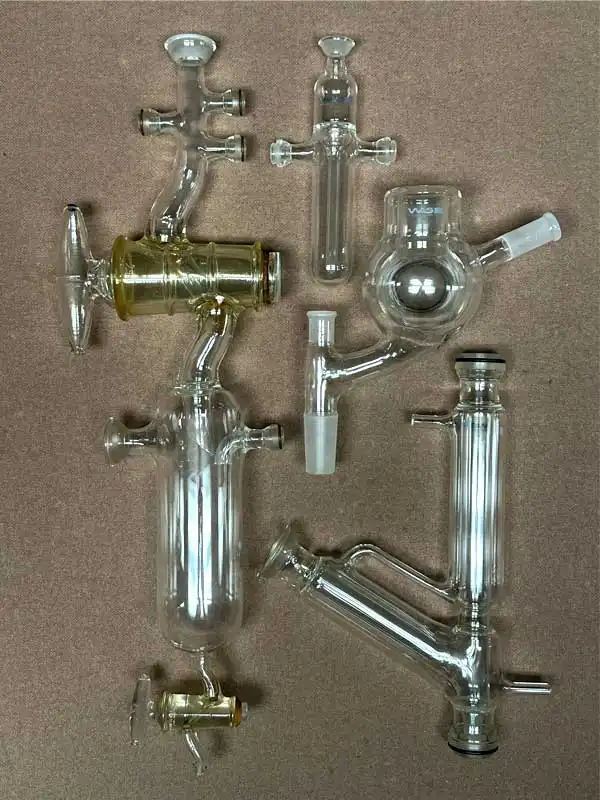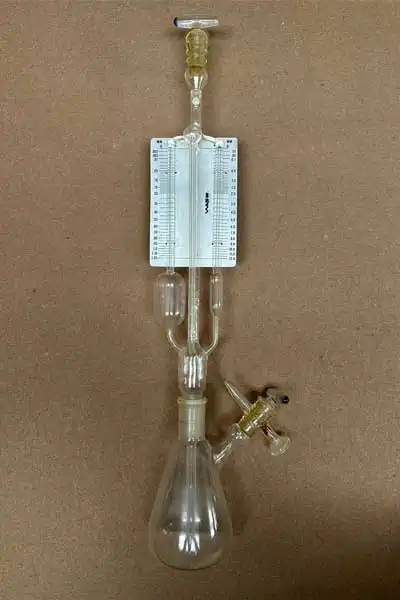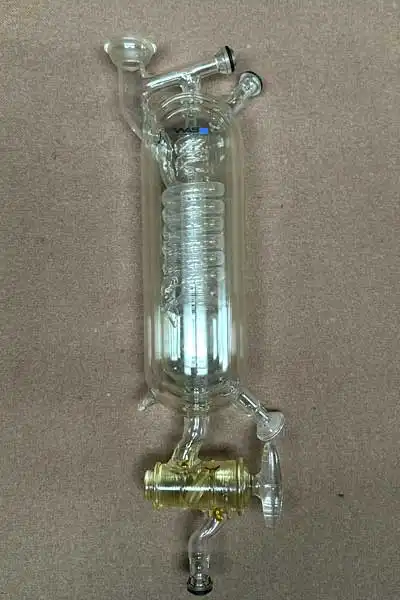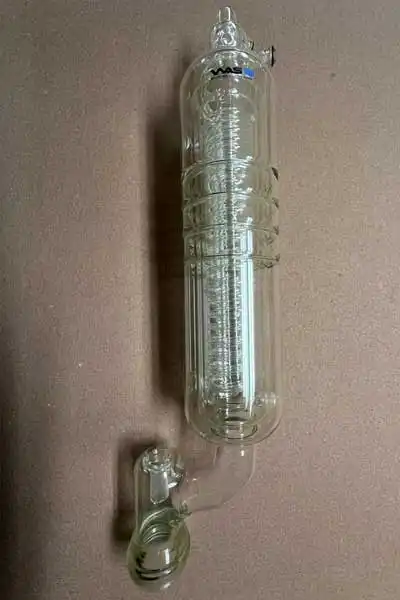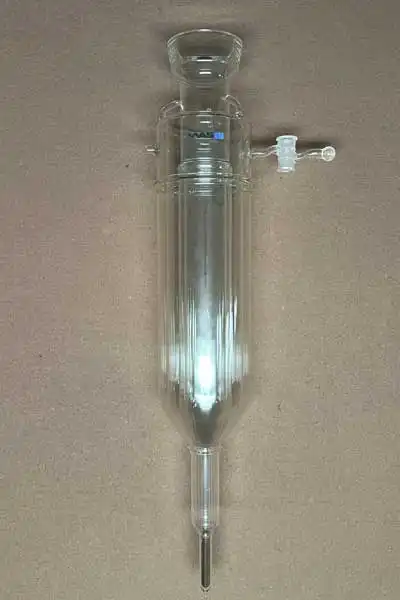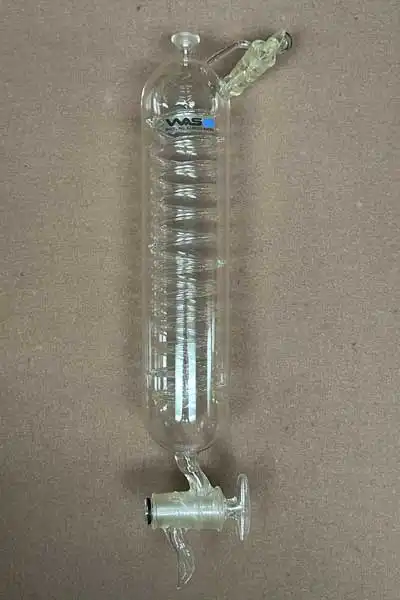
Scientific Glass Blowing is a highly specialized, precise craft used to create custom laboratory apparatus, vacuum systems, and research tools for scientific and industrial applications. Using primarily borosilicate or quartz glass, our skilled experts work with torches and glass lathes to bend, seal, and shape glass to exacting tolerances, often working collaboratively with researchers.
Key Aspects of Scientific Glass Blowing:
Materials: Primarily uses borosilicate glass for its strength and resistance to thermal shock, along with quartz for high-temperature applications.
Techniques: Involves flame working (lampworking), where glass is heated with propane and oxygen torches, then shaped through blowing, drawing, and using graphite tools.
Precision and Customization: Unlike artistic Glass Blowing, this field focuses on functionality, specific tolerances, and creating one-of-a-kind apparatus for chemical, physical, and pharmaceutical research.
Processes: Involves techniques such as annealing (to relieve stress), sealing (joining pieces), and, in some cases, cold working (grinding, milling).
Training & Community: Often involves multi-year apprenticeships, with professional development available through organizations like the American Scientific Glassblowers Society.
Scientific glassblowers are critical to academic and industrial research, providing specialized equipment that cannot be purchased commercially.
We are experts in Glass Blowing techniques and are qualified to create the most demanding scientific glass products.